Weekly Flyer Strategies for Bulk Buying: Save 20% on Household Essentials in 2025
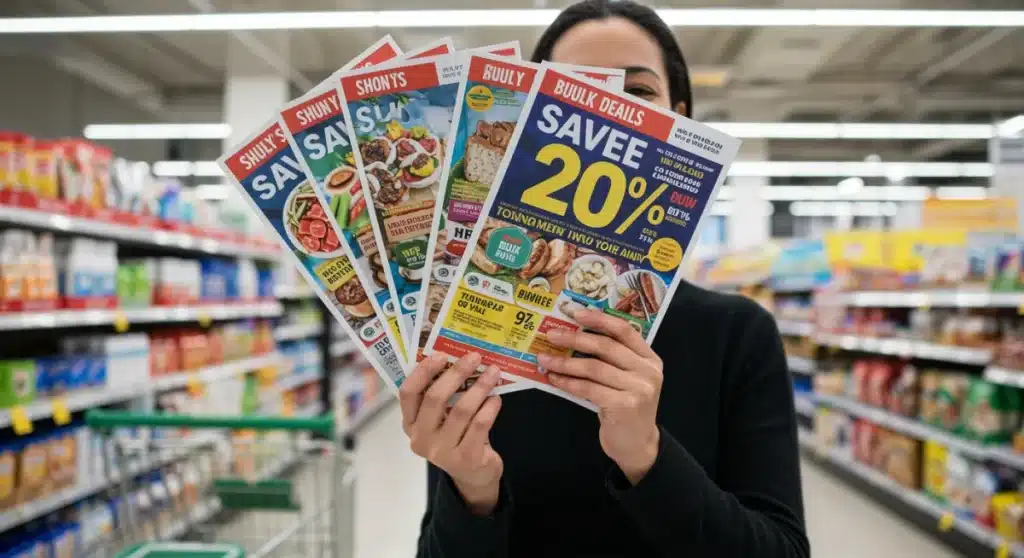
Mastering weekly flyer strategies for bulk buying can significantly reduce your household expenses in 2025, offering practical solutions to save over 20% on everyday essentials and improve your financial well-being.
In an era where every penny counts, understanding how to effectively leverage weekly flyer strategies for bulk buying is no longer just a smart move; it’s a financial imperative for many U.S. households. This approach promises not only substantial savings but also a streamlined shopping experience, ensuring your home is always stocked with essentials without breaking the bank.
The undeniable financial impact of bulk buying
Bulk buying, when executed strategically, can transform your household budget. It’s not merely about purchasing larger quantities; it’s about making informed decisions based on price per unit, storage capabilities, and actual consumption rates. The year 2025 presents both opportunities and challenges, with inflation still a concern, making smart shopping more critical than ever. By focusing on non-perishable goods and frequently used items, families can significantly reduce their annual spending on household essentials.
The core principle behind bulk buying is simple: buying more often leads to a lower unit price. Retailers offer these discounts to move larger volumes of product, and savvy consumers can capitalize on this. However, the key to success lies in avoiding waste and only buying what you genuinely need and will use before its expiration. This requires a disciplined approach to inventory management at home and a keen eye on weekly flyers.
Understanding unit pricing for maximum savings
Unit pricing is your best friend when it comes to bulk buying. This often overlooked detail on price tags tells you the cost per ounce, pound, sheet, or other standard unit, allowing for direct comparison between different package sizes and brands. Without this metric, a larger package might appear to be a better deal when it’s actually more expensive per unit. Always compare the unit price to ensure you’re truly getting the best value.
- Compare brands: Even identical products from different brands can have varying unit prices.
- Check package sizes: A larger package isn’t always cheaper per unit; sometimes smaller, on-sale items beat bulk prices.
- Calculate savings: Mentally (or with a calculator) ascertain the percentage saved by buying in bulk versus smaller quantities.
By diligently checking unit prices, you equip yourself with the knowledge to make truly economical choices. This practice alone can account for a significant portion of the 20% savings goal, especially on items like paper towels, toilet paper, detergent, and canned goods. It’s a fundamental skill for any budget-conscious shopper.
Decoding weekly flyers: your ultimate savings guide
Weekly flyers are treasure maps to savings, but only if you know how to read them. These advertisements, distributed by grocery stores and retailers, highlight current sales, promotions, and special offers. For bulk buying, they are indispensable. Learning to identify genuine deals, understanding sale cycles, and combining offers can unlock unparalleled savings on your household essentials.
The art of decoding weekly flyers involves more than just glancing at the bold headlines. It requires a systematic approach to identify patterns, compare prices across different stores, and plan your shopping trips strategically. Many stores release their flyers mid-week, giving you ample time to prepare your shopping list for the weekend or early next week.
Strategies for effective flyer analysis
To maximize your savings, don’t just passively read flyers; actively analyze them. Look for items that are frequently used in your household and see if they are at their lowest price point. Also, pay attention to ‘loss leader’ items – products sold at a loss by retailers to attract customers, often found prominently displayed in flyers. These are excellent opportunities for bulk purchases.
- Highlight key items: Mark household essentials you regularly buy when they appear on sale.
- Cross-reference stores: Compare flyers from multiple stores in your area to find the absolute best deals.
- Look for ‘stackable’ offers: Combine flyer deals with manufacturer coupons or loyalty program discounts for even greater savings.
Effective flyer analysis also means understanding product seasonality. Certain items, like seasonal produce or holiday-themed goods, will have predictable sale cycles. While not always directly applicable to household essentials, understanding these cycles can free up budget for bulk buys of non-seasonal items when they hit their lowest prices.
Building a smart bulk buying inventory at home
Once you’ve mastered the art of finding deals through weekly flyers, the next crucial step is managing your bulk purchases at home. An unorganized bulk inventory can lead to waste, confusion, and ultimately, negate any savings you achieved. A smart inventory system ensures that items are used before they expire, easily accessible, and that you know exactly what you have on hand.
Think of your home as a mini-warehouse. Just like a supermarket, you need a system for storage, rotation, and tracking. This doesn’t require complex software; a simple spreadsheet or even a physical inventory list can suffice. The goal is to prevent overbuying and ensure that older items are used first, a concept known as ‘first-in, first-out’ (FIFO).
Essential tips for efficient bulk storage
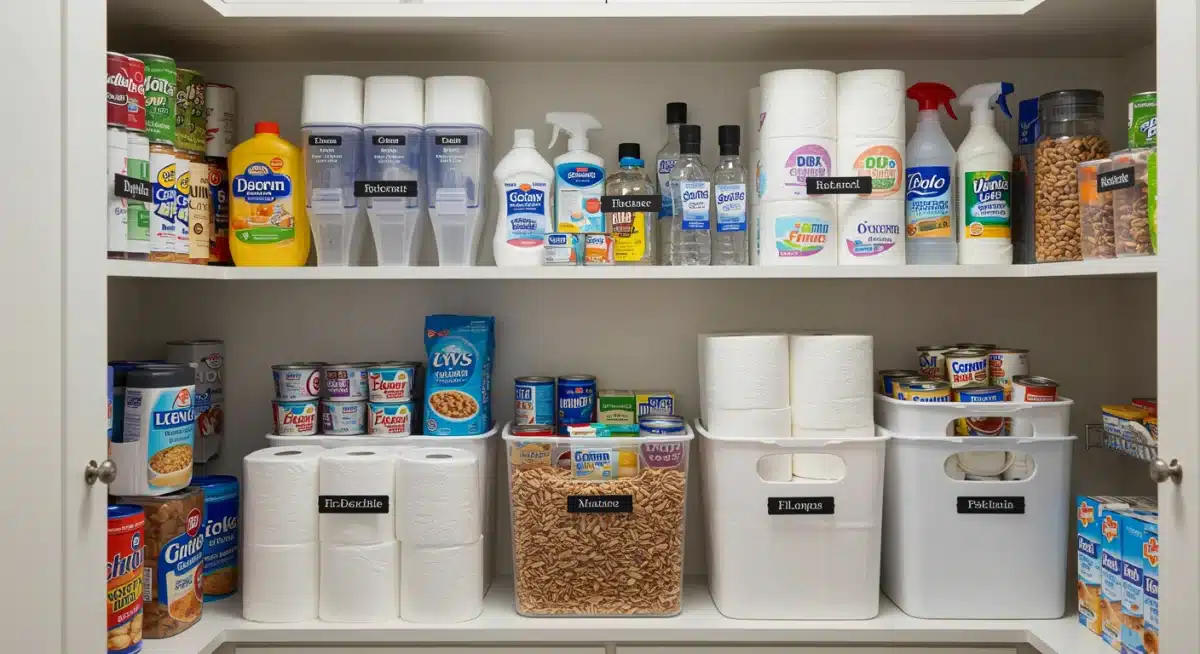
Proper storage is paramount for bulk items. Many household essentials, such as paper products, cleaning supplies, and certain pantry staples, require specific conditions to maintain their quality and longevity. Investing in appropriate storage solutions can protect your purchases and extend their shelf life.
- Designate a storage area: A pantry, basement, or utility closet can become your bulk storage hub.
- Use clear containers: Transparent bins or containers allow you to easily see what you have and how much is left.
- Label everything: Include purchase dates and expiration dates on labels to facilitate rotation and prevent waste.
Consider the environmental factors of your storage area. Humidity, temperature fluctuations, and direct sunlight can all impact the quality of your stored goods. For instance, detergents and cleaning supplies should be kept in a cool, dry place away from children and pets. Proper storage is an investment that pays off by protecting your bulk purchases from spoilage or damage.
Integrating digital tools for enhanced savings
In 2025, relying solely on physical weekly flyers might mean missing out on significant savings. Digital tools, including store apps, coupon websites, and price comparison apps, offer powerful ways to augment your weekly flyer strategies for bulk buying. These tools provide real-time updates, personalized offers, and a broader scope for comparing prices, making your savings efforts more efficient and effective.
Many grocery chains now offer digital versions of their weekly flyers, often with additional exclusive online deals. Furthermore, loyalty programs, when linked to store apps, can track your purchase history and offer tailored discounts on items you frequently buy, including household essentials. This personalization is a game-changer for maximizing savings.
Leveraging apps and online platforms
Beyond store-specific apps, a variety of third-party platforms are designed to help consumers save money. These can include coupon aggregators, cash-back apps, and services that alert you when a desired item goes on sale. Integrating these tools into your weekly shopping routine can provide an extra layer of savings.
- Download store apps: Access digital flyers, exclusive coupons, and loyalty rewards directly.
- Use price comparison sites: Quickly check prices for specific items across multiple retailers before making a purchase.
- Set up sale alerts: Many apps allow you to create wish lists and receive notifications when those items are discounted.
The digital landscape offers an unprecedented level of control and information for shoppers. By spending a little time each week utilizing these tools, you can ensure that you’re not only aware of all available deals but also strategically positioned to take advantage of them for your bulk buying needs. This integration of digital resources is crucial for achieving the targeted 20% savings.
Avoiding common bulk buying pitfalls
While bulk buying offers immense potential for savings, it’s not without its traps. Falling prey to common pitfalls can quickly erode any financial benefits and even lead to increased waste. Understanding these risks – and how to mitigate them – is essential for a truly successful bulk buying strategy. The most common errors include overbuying perishables, purchasing items simply because they are on sale, and failing to account for storage space.
A critical aspect of avoiding these pitfalls is self-awareness regarding your household’s consumption patterns and available resources. Impulse buys, even if they seem like a good deal, can often be detrimental if the item isn’t truly needed or can’t be properly stored. Discipline and a well-thought-out plan are your best defenses against these common mistakes.
Smart strategies to sidestep bulk buying errors
To ensure your bulk buying efforts remain profitable and efficient, adopt proactive strategies that address potential problems before they arise. This involves rigorous planning, realistic assessments of your needs, and a commitment to only purchasing what genuinely serves your financial and practical goals.
- Stick to a list: Never shop without a meticulously prepared list based on your inventory and needs.
- Assess storage capacity: Before buying, confirm you have adequate, suitable space for the quantity.
- Focus on non-perishables: Prioritize items with long shelf lives for bulk purchases to minimize waste.
Another key strategy is to resist the temptation of ‘deal fatigue.’ Sometimes, the sheer volume of sales can make every offer seem irresistible. However, not all sales are created equal. Focus on your core household essentials and only deviate for truly exceptional deals on items you know you will use. This discernment is vital for long-term savings.
Realizing 20% savings: a step-by-step action plan for 2025
Achieving a 20% saving on household essentials in 2025 through weekly flyer strategies for bulk buying is an ambitious yet entirely achievable goal. It requires a structured approach, consistent effort, and a willingness to adapt your shopping habits. This section outlines a clear, actionable plan to guide you toward significant financial relief.
The journey begins with understanding your current spending and setting realistic targets. From there, it moves through the stages of research, strategic planning, execution, and continuous monitoring. Each step builds upon the last, creating a robust system that maximizes your savings while minimizing effort over time.
Your weekly savings checklist
To effectively implement these strategies, integrate a weekly checklist into your routine. This ensures consistency and prevents overlooking opportunities. A structured approach turns what might seem like a daunting task into a manageable and rewarding habit.
- Review weekly flyers: Dedicate time each week to analyze flyers from your preferred stores.
- Update inventory: Check your home inventory to identify items running low or nearing expiration.
- Create a precise shopping list: Based on flyers and inventory, list specific items and quantities for bulk purchase.
- Compare prices: Use digital tools to cross-reference deals and find the best unit prices.
- Plan your route: Optimize your shopping trip to visit stores with the best deals efficiently.
By consistently following this action plan, you’ll not only see a noticeable reduction in your household essential expenditures but also gain a greater sense of financial control. The 20% savings target is within reach for any household committed to smart shopping and strategic bulk buying in 2025.
| Key Strategy | Brief Description |
|---|---|
| Unit Price Comparison | Always compare cost per unit to identify true value across different package sizes and brands. |
| Flyer Analysis | Systematically review weekly flyers for sales, promotions, and ‘loss leader’ items. |
| Home Inventory Management | Maintain an organized system for bulk items to prevent waste and ensure proper rotation. |
| Digital Tool Integration | Utilize store apps, coupon sites, and price comparison tools for enhanced, real-time savings. |
Frequently asked questions about bulk buying
Not always. While bulk often offers a lower unit price, sales on smaller packages can sometimes beat bulk pricing. Always compare the unit price (cost per ounce, pound, etc.) to confirm you’re getting the best deal. Digital flyers and price comparison apps can help immensely with this.
Items with long shelf lives or high usage rates are ideal. This includes paper products (toilet paper, paper towels), cleaning supplies, laundry detergent, personal care items (soap, toothpaste), and non-perishable pantry staples like canned goods, rice, and pasta. Focus on things your family consistently uses.
Effective waste avoidance involves proper storage and inventory management. Ensure you have adequate space, use airtight containers, and label items with purchase and expiration dates. Implement a ‘first-in, first-out’ system to use older items before newer ones. Only buy what you truly need and will consume.
Absolutely. Weekly flyers, both physical and digital, remain a cornerstone of smart shopping. They highlight current sales and promotions that online stores might not always feature prominently. Combining flyer information with online price checks and digital coupons offers the most comprehensive savings strategy.
Begin by tracking your current spending on household essentials for a month to understand your baseline. Then, start consistently reviewing weekly flyers from local stores and comparing unit prices for your most frequently used items. This foundational knowledge will empower your bulk buying decisions.
Conclusion
Embracing weekly flyer strategies for bulk buying is more than just a trend; it’s a sustainable financial practice that can yield substantial savings for U.S. households in 2025. By diligently analyzing flyers, understanding unit pricing, managing home inventory effectively, integrating digital tools, and avoiding common pitfalls, achieving a 20% reduction in household essential spending is well within reach. This proactive approach not only lightens your financial load but also fosters a more organized and efficient household, proving that smart shopping is indeed a powerful tool for economic well-being.