U.S. Consumer Spending Shifts: 5 Key Trends Driving Retail in 2025

The evolving U.S. consumer landscape, driven by digital acceleration and a heightened focus on value, necessitates that retailers strategically adapt to emerging spending patterns to remain competitive and relevant in 2025.
Understanding the dynamic shifts in how Americans spend their money is crucial for any business looking to thrive. In 2025, U.S. Consumer Spending Shifts: 5 Key Trends Driving Retail in 2025 will fundamentally reshape the retail landscape, presenting both challenges and unprecedented opportunities. Are you ready to navigate this evolving market?
The rise of value-driven consumption
In 2025, U.S. consumers are increasingly scrutinizing their purchases, prioritizing genuine value over mere price. This isn’t just about finding the cheapest option; it’s about perceived worth, durability, and the overall benefit a product or service offers. Economic uncertainties and a heightened awareness of personal finance have cultivated a more discerning shopper. Retailers who successfully communicate their value proposition will capture a significant share of this evolving market.
Budgeting and conscious spending
Many households are adopting stricter budgeting practices, leading to more deliberate purchasing decisions. Consumers are researching more, comparing options, and seeking products that offer long-term utility or significant savings. This trend extends beyond everyday necessities to larger discretionary purchases, where the investment must truly justify its cost.
- Increased demand for durable goods.
- Growth in discount and off-price retail segments.
- Preference for subscriptions offering clear cost savings.
- Focus on multi-purpose products and services.
The experience-value equation
Value is also being redefined through experiences. Consumers are willing to pay a premium for experiences that create lasting memories or offer unique benefits, sometimes even over material possessions. This means retailers must think beyond the product itself and consider the entire customer journey, from discovery to post-purchase support, ensuring every touchpoint adds tangible value.
The emphasis on value-driven consumption underscores a broader shift in consumer mindset. Retailers need to adapt their marketing, product development, and pricing strategies to align with these evolving perceptions of what constitutes true value. Simply cutting prices may not be enough; demonstrating enduring quality, ethical sourcing, or superior customer service will be paramount.
Digital acceleration and omnichannel integration
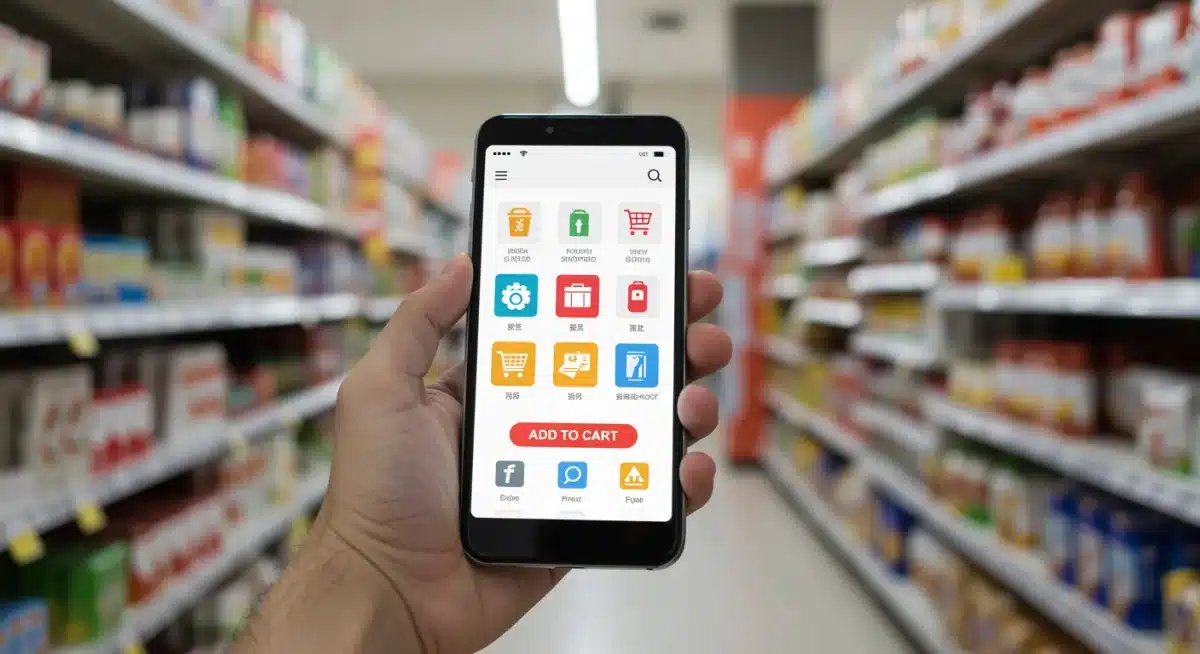
The digital transformation of retail, significantly accelerated in recent years, continues its relentless pace into 2025. Consumers now expect seamless transitions between online and offline channels, making a truly integrated omnichannel strategy non-negotiable. From browsing on a mobile device to picking up in-store, the journey must be fluid and intuitive. This trend is not just about having an online presence; it’s about creating a unified brand experience across all touchpoints.
Seamless digital pathways
Consumers leverage digital tools at every stage of the buying process. This includes researching products online before visiting a physical store, using in-store apps for price comparisons or product information, and making purchases via social media. The distinction between ‘online shopping’ and ‘in-store shopping’ is blurring, giving way to a holistic retail experience.
- Increased use of mobile shopping apps.
- Growth in ‘buy online, pick up in-store’ (BOPIS) and curbside pickup.
- Integration of augmented reality (AR) for virtual try-ons.
- Personalized recommendations driven by AI across platforms.
Bridging the physical and digital divide
Retailers are investing heavily in technologies that enhance both the digital and physical shopping environments. Smart stores, interactive displays, and personalized digital assistance are becoming commonplace. The goal is to provide convenience, choice, and a consistent brand message, regardless of how or where the customer chooses to interact. This integration improves customer satisfaction and fosters loyalty, as consumers appreciate the flexibility and tailored experiences.
The future of retail hinges on the successful convergence of digital and physical realms. Businesses that master omnichannel integration will not only meet but exceed consumer expectations, building robust relationships and driving sustained growth in a competitive market. Ignoring this trend risks alienating a tech-savvy and convenience-driven customer base.
Sustainability and ethical consumption
The environmental and social impact of purchasing decisions is a growing concern for U.S. consumers, profoundly influencing their spending habits in 2025. Shoppers are increasingly seeking out brands that demonstrate a genuine commitment to sustainability, ethical labor practices, and transparent supply chains. This isn’t a niche market anymore; it’s a mainstream expectation, particularly among younger demographics who are more environmentally and socially conscious.
Eco-conscious purchasing decisions
Consumers are actively looking for products that are eco-friendly, made from recycled materials, or produced with minimal environmental footprint. They are also willing to pay a premium for brands that align with their values, viewing their purchases as a form of support for responsible business practices. This shift is driving demand for sustainable packaging, energy-efficient products, and ethically sourced goods across all retail categories.
- Demand for transparent supply chain information.
- Preference for brands with strong environmental policies.
- Growth of the resale and second-hand market.
- Increased interest in local and organic products.
Brand transparency and accountability
Beyond product attributes, consumers expect brands to be transparent about their operations and accountable for their social and environmental impact. Greenwashing is quickly identified and penalized, while genuine efforts towards sustainability are rewarded with loyalty. Retailers must communicate their initiatives clearly and authentically, fostering trust and demonstrating a commitment to positive change.
Embracing sustainability and ethical consumption is no longer just good corporate citizenship; it’s a strategic imperative for retail success. Brands that authentically integrate these values into their core business model will resonate deeply with a growing segment of consumers, building a loyal customer base that prioritizes purpose alongside product.
The personalization imperative
Generic marketing and one-size-fits-all retail experiences are rapidly becoming obsolete. In 2025, U.S. consumers expect highly personalized interactions, from product recommendations to tailored offers and customized services. Leveraging data and advanced analytics, retailers are striving to understand individual preferences and deliver experiences that feel uniquely crafted for each customer. This shift is about moving from mass marketing to hyper-segmentation, creating a deeper connection with the individual shopper.
Data-driven insights for tailored experiences
The collection and analysis of consumer data are foundational to personalization. Retailers are using purchase history, browsing behavior, demographic information, and even real-time location data to predict needs and offer relevant suggestions. This data-driven approach allows for more effective marketing campaigns, optimized product assortments, and a more satisfying customer journey.
- AI-powered product recommendations.
- Customized email marketing and promotions.
- Personalized in-store digital signage.
- Dynamic pricing based on individual profiles.
Beyond recommendations: personalized relationships
True personalization extends beyond just suggesting products; it’s about building a relationship. This includes offering exclusive access to new products, providing proactive customer support based on past issues, or even celebrating customer milestones. When consumers feel understood and valued, their loyalty to a brand significantly increases, leading to repeat purchases and positive word-of-mouth.
The personalization imperative demands that retailers invest in advanced technologies and analytical capabilities. By treating each customer as an individual, businesses can create highly engaging and relevant experiences that foster strong brand advocacy and drive long-term revenue growth. The future of retail is personal, and those who master this art will lead the market.
Health, wellness, and self-care focus
A profound shift towards prioritizing health, wellness, and self-care is influencing U.S. consumer spending in 2025. This trend encompasses not just physical health but also mental and emotional well-being, driving demand for products and services that support a holistic approach to a healthy lifestyle. Consumers are increasingly investing in preventive care, wellness experiences, and items that contribute to their overall sense of balance and happiness.
Holistic well-being investments
This trend manifests across various retail sectors. The demand for organic foods, functional beverages, and plant-based alternatives continues to surge. Beyond consumables, there’s a growing market for fitness equipment, wearable tech, meditation apps, and self-care products like high-quality skincare and aromatherapy items. Consumers view these purchases as investments in their personal well-being, not just discretionary spending.
- Increased spending on health-tracking devices.
- Growth in natural and organic food sales.
- Demand for mental wellness apps and services.
- Expansion of athleisure wear and comfortable apparel.
Experiences over material goods for well-being
The focus on wellness also extends to experiences. Spa treatments, wellness retreats, fitness classes, and outdoor recreational activities are gaining popularity as consumers seek ways to de-stress and rejuvenate. Retailers are responding by creating in-store wellness zones, offering classes, and curating product selections that cater to this comprehensive view of health. Companies that can seamlessly integrate wellness into their offerings will tap into a highly motivated consumer base.
The emphasis on health, wellness, and self-care is more than a fleeting fad; it represents a fundamental shift in consumer priorities. Retailers who can authentically connect their products and services to these values will find a receptive and engaged audience, fostering loyalty and driving sales in a market increasingly focused on personal betterment.
The rise of the subscription economy
The subscription model has moved beyond streaming services and software to permeate nearly every aspect of U.S. consumer spending in 2025. From curated fashion boxes and gourmet meal kits to daily necessities and specialized personal care items, consumers are embracing the convenience, personalized discovery, and often cost savings offered by subscriptions. This trend reflects a desire for simplicity, predictability, and a continuous stream of value tailored to individual needs.
Convenience and curated discovery
One of the primary drivers of the subscription economy is convenience. Consumers appreciate the automatic replenishment of essentials, eliminating the need for frequent shopping trips. Moreover, curated subscription boxes offer an element of surprise and discovery, introducing customers to new products they might not have found otherwise. This blend of utility and delight creates a compelling value proposition that resonates with busy modern lifestyles.
- Automatic replenishment of household staples.
- Personalized product curation in niche markets.
- Access to exclusive content or communities.
- Cost savings through bundled services or bulk discounts.
Building recurring revenue and loyalty
For businesses, the subscription model offers predictable recurring revenue streams and fosters deeper customer loyalty. By consistently delivering value and adapting offerings based on subscriber feedback, companies can build strong, long-term relationships. The data gathered from subscription services also provides invaluable insights into consumer preferences, enabling further personalization and product development.
The subscription economy is a powerful force reshaping retail, offering both consumers and businesses significant benefits. Retailers looking to thrive in 2025 should explore how a subscription component can enhance their offerings, providing convenience, value, and a personalized experience that keeps customers engaged and coming back for more.
| Key Trend | Brief Description |
|---|---|
| Value-Driven Consumption | Consumers prioritize genuine worth, durability, and long-term benefit over just price. |
| Digital & Omnichannel | Seamless integration of online and offline shopping experiences is a key expectation. |
| Sustainability Focus | Demand for eco-friendly products and ethical brand practices is growing significantly. |
| Personalization | Consumers expect tailored recommendations, offers, and services based on their individual preferences. |
Frequently asked questions about U.S. consumer spending
Economic uncertainties and increased financial literacy are making U.S. consumers more discerning. They are prioritizing products and services that offer long-term value, durability, and genuine benefits over simply the lowest price point, leading to more conscious and researched purchasing decisions.
Retailers must invest in seamless omnichannel strategies, integrating online and offline experiences. This includes mobile-friendly websites, in-store technology, BOPIS options, and personalized digital interactions. The goal is to provide a consistent and convenient customer journey across all touchpoints, enhancing satisfaction and loyalty.
Growing environmental awareness and social consciousness, particularly among younger demographics, are making ethical consumption a mainstream expectation. Consumers are actively seeking brands with transparent supply chains, eco-friendly products, and responsible business practices, often willing to pay a premium for alignment with their values.
It means moving beyond generic marketing to deliver highly tailored experiences. Retailers need to leverage data to offer personalized product recommendations, customized promotions, and bespoke services. This creates a deeper, more meaningful connection with individual customers, fostering loyalty and driving repeat purchases.
The subscription economy is thriving due to its convenience, curated discovery, and often cost-effectiveness. Consumers enjoy automated replenishment of essentials and personalized product boxes, while businesses benefit from recurring revenue and enhanced customer loyalty. This model is reshaping how many goods and services are consumed.
Conclusion
The U.S. consumer landscape in 2025 is undergoing a profound transformation, driven by a complex interplay of economic factors, technological advancements, and evolving societal values. From a heightened focus on value and sustainability to the pervasive influence of digital integration and personalization, retailers face a dynamic environment that demands agility and foresight. Businesses that proactively understand and adapt to these five key trends – value-driven consumption, digital acceleration and omnichannel integration, sustainability and ethical consumption, the personalization imperative, and the health, wellness, and self-care focus – will be best positioned not only to survive but to thrive. Success in this new era of retail hinges on a deep understanding of consumer psychology, a commitment to innovation, and the ability to deliver exceptional, tailored experiences that resonate with the modern American shopper. The future of retail is being written by these shifts, and those who listen and respond effectively will lead the way.