Interest Rate Hikes: 0.25% Increase & US Consumer Spending
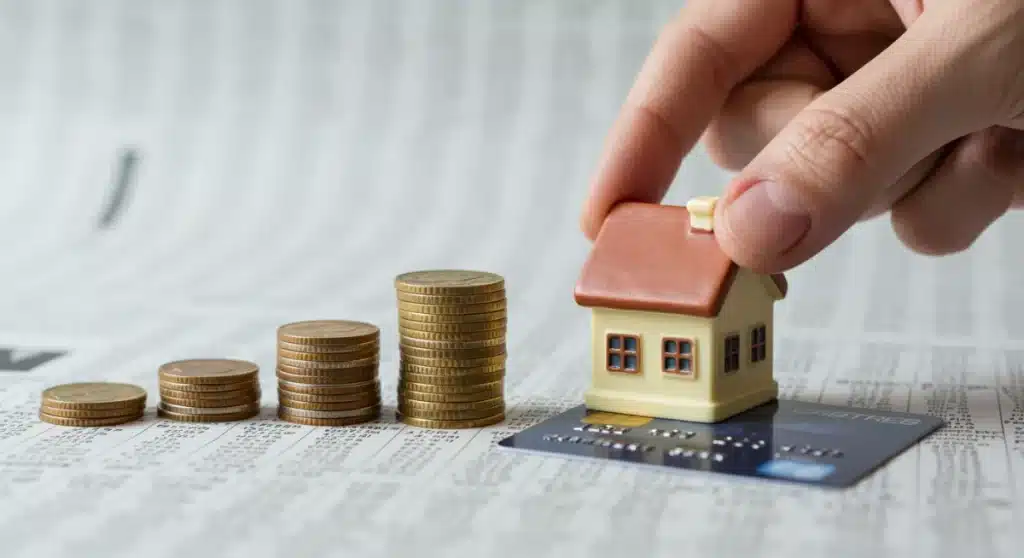
A 0.25% interest rate hike significantly influences U.S. consumer spending by increasing borrowing costs for mortgages, credit cards, and auto loans, ultimately impacting discretionary income and investment decisions.
Understanding the intricate relationship between monetary policy and everyday finances is crucial for every American. A seemingly small adjustment, such as a 0.25% interest rate hike, can ripple through the economy, profoundly affecting everything from your mortgage payments to your daily purchasing power. This article delves into how such a change influences U.S. consumer spending.
The Federal Reserve’s Role and the Mechanism of a Rate Hike
The Federal Reserve, often referred to as the Fed, plays a pivotal role in steering the U.S. economy. Its primary tools include adjusting the federal funds rate, which is the target rate for overnight lending between banks. When the Fed decides on an interest rate hike, even a modest 0.25%, it signals a shift in monetary policy, usually aimed at curbing inflation or cooling down an overheating economy.
This adjustment isn’t directly applied to consumer loans but rather influences the rates banks charge each other. In turn, these changes trickle down to prime rates, which then affect a wide array of consumer and business loan products. It’s a foundational mechanism that impacts the cost of borrowing across the entire financial system.
Why a 0.25% Hike Matters
While 0.25% might seem negligible to an individual, its cumulative effect across trillions of dollars in consumer debt can be substantial. For every borrower, it means slightly higher costs, which can add up over the life of a loan. The psychological impact also plays a role, as consumers often perceive rate hikes as a sign of tighter economic conditions ahead.
- Inflation Control: Hikes aim to reduce demand by making borrowing more expensive, slowing price increases.
- Economic Stability: The Fed uses rate adjustments to maintain a balanced economic growth trajectory.
- Market Expectations: Even small changes can influence investor and consumer confidence.
In essence, a 0.25% interest rate hike is a carefully calculated move by the Fed to fine-tune economic conditions. It’s not just about the numbers; it’s about influencing behavior and managing expectations to achieve broader economic objectives.
Impact on Mortgage Rates and the Housing Market
One of the most immediate and significant areas affected by an interest rate hike is the housing market. Mortgage rates are closely tied to the federal funds rate, and even a quarter-point increase can translate into hundreds of dollars more in monthly payments for new borrowers or those with adjustable-rate mortgages (ARMs).
For prospective homebuyers, higher mortgage rates reduce affordability. A larger portion of their monthly budget goes towards interest, limiting the principal they can borrow or increasing their monthly financial burden. This can lead to a slowdown in housing demand, potentially moderating home price growth or even causing slight declines in some markets.
Adjustable-Rate Mortgages (ARMs) and Refinancing
Homeowners with ARMs are particularly vulnerable to rate hikes. As the name suggests, their interest rates adjust periodically, meaning an increase of 0.25% could directly raise their monthly payments. This can strain household budgets, especially for those already at their financial limits.
- Higher Monthly Payments: ARMs become more expensive, increasing financial pressure.
- Reduced Refinancing Appeal: Existing homeowners find less incentive to refinance fixed-rate mortgages.
- Slower Market Activity: Fewer buyers and sellers due to increased costs and uncertainty.
The ability to refinance existing mortgages also diminishes. When rates rise, refinancing becomes less attractive unless a homeowner can secure a significantly lower rate than their current one, which is less likely after a hike. This contributes to reduced liquidity in the housing market and can impact consumer confidence in real estate as an investment.
Credit Cards and Consumer Debt
For many Americans, credit cards are an essential part of their financial toolkit. However, they are also one of the most directly affected forms of debt when interest rates rise. Most credit cards have variable interest rates tied to the prime rate, which moves in tandem with the federal funds rate. A 0.25% hike means that the annual percentage rate (APR) on credit card balances will likely increase by the same amount.
This translates to higher minimum payments and a greater portion of those payments going towards interest rather than reducing the principal. For consumers carrying significant credit card debt, this can quickly erode discretionary income and make it harder to pay down balances. It’s a direct hit to household budgets, forcing many to re-evaluate their spending habits.
Impact on Other Consumer Loans
Beyond credit cards, other forms of consumer debt also feel the pinch. Auto loans, personal loans, and even some student loans (especially private ones with variable rates) become more expensive. This added cost can deter consumers from making large purchases, such as a new car or a major appliance, thereby slowing down economic activity in these sectors.
- Increased Cost of Borrowing: Higher APRs on credit cards and variable-rate loans.
- Reduced Discretionary Income: More money allocated to debt servicing, less for other spending.
- Slower Big-Ticket Purchases: Consumers delay buying cars or other expensive items.
The cumulative effect of these higher borrowing costs can lead to a noticeable contraction in consumer spending. Households prioritize essential expenses and debt repayment, leaving less room for leisure, entertainment, and non-essential goods and services. This shift in spending patterns is a key mechanism through which rate hikes influence the broader economy.
Consumer Confidence and Spending Habits
Beyond the direct financial implications, an interest rate hike can significantly impact consumer confidence. When the cost of borrowing increases and headlines highlight economic tightening, consumers may become more cautious about their financial future. This psychological shift can lead to changes in spending habits, even for those not directly affected by variable-rate debt.
Consumers might choose to save more and spend less, anticipating potential economic slowdowns or job insecurity. This precautionary saving behavior, while prudent for individuals, can collectively reduce overall demand in the economy. Businesses, in turn, might experience lower sales, which could lead to reduced production, hiring freezes, or even layoffs.
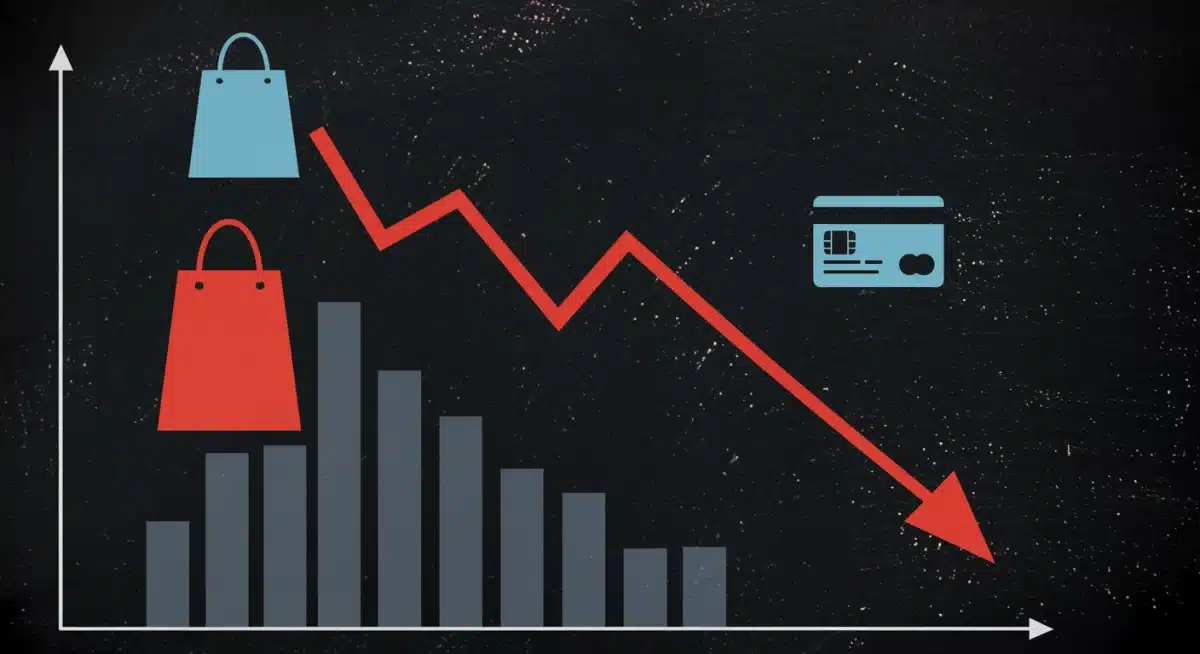
The perception of economic conditions plays a vital role in consumer behavior. If people believe that the economy is heading for a downturn, they are more likely to tighten their belts, regardless of their current financial stability. This self-fulfilling prophecy can amplify the effects of a rate hike, leading to a more pronounced slowdown in spending.
The Wealth Effect and Investment Decisions
Higher interest rates can also affect the wealth effect. When rates rise, bond yields often become more attractive compared to riskier assets like stocks. This can lead to a reallocation of investments, with some money moving out of the stock market. A decline in stock market valuations can make consumers feel less wealthy, even if their actual income hasn’t changed, leading to reduced spending.
- Increased Saving: Consumers prioritize saving over spending due to uncertainty.
- Reduced Demand: Lower sales for businesses, impacting economic growth.
- Shift in Investments: Bonds become more appealing, potentially affecting stock market performance.
Furthermore, interest rate hikes can make new business investments more expensive. If companies face higher borrowing costs, they might postpone expansion plans, slow down hiring, or reduce capital expenditures. This can have a cascading effect on job creation and overall economic output, further influencing consumer sentiment and spending capacity.
Impact on Savings and Investment Returns
While an interest rate hike makes borrowing more expensive, it can offer a silver lining for savers. Banks typically respond to a federal funds rate increase by offering higher interest rates on savings accounts, certificates of deposit (CDs), and money market accounts. This means that individuals who have savings can earn more on their deposits, potentially encouraging more saving.
For retirees or those living on fixed incomes, higher savings rates can provide a welcome boost to their financial stability. It means their cash reserves are working harder for them, generating more income without additional risk. This can partially offset the increased costs of goods and services due to inflation, which the rate hike aims to combat.
Investment Strategies and Portfolio Adjustments
Investors also need to consider the implications of a rate hike. As mentioned, higher interest rates can make fixed-income investments like bonds more attractive. This can lead to a rebalancing of portfolios, with some investors shifting from equities to bonds to capture better yields. However, existing bondholders might see the value of their bonds decrease if new bonds are issued at higher rates.
The stock market’s reaction can be mixed. While some sectors, particularly those reliant on consumer spending or high leverage, might face headwinds, others might remain resilient. Companies with strong balance sheets and less reliance on borrowing may be better positioned to weather the storm. Investors might also gravitate towards dividend-paying stocks as an alternative source of income.
- Higher Savings Yields: Increased returns on savings accounts, CDs, and money markets.
- Bond Market Shifts: New bonds offer better returns, but existing bond values may fall.
- Equity Market Volatility: Some sectors may struggle, while others adapt.
Ultimately, a 0.25% interest rate hike prompts both consumers and investors to re-evaluate their financial strategies. For savers, it’s an opportunity to earn more, while for borrowers and certain investors, it necessitates a careful adjustment to manage increased costs and market shifts.
Navigating the Economic Landscape: Strategies for Consumers
In an environment of rising interest rates, consumers need to adopt proactive strategies to safeguard their financial well-being. Understanding how a 0.25% interest rate hike impacts personal finances is the first step towards effective financial planning. The goal is to minimize the negative effects of higher borrowing costs and maximize any potential benefits from increased savings rates.
One crucial strategy is to prioritize paying down high-interest debt, such as credit card balances. Even a small increase in APR can significantly add to the total cost of carrying such debt. By reducing these balances, consumers can free up more discretionary income and reduce their exposure to further rate increases.
Financial Resilience and Budgeting
Creating or refining a household budget becomes even more critical during periods of economic tightening. Tracking income and expenses allows consumers to identify areas where they can cut back or reallocate funds. This might involve reducing non-essential spending, seeking out more affordable alternatives, or finding ways to boost income.
- Debt Reduction: Focus on paying down high-interest credit card debt.
- Budget Review: Re-evaluate spending habits and identify areas for savings.
- Emergency Fund: Build or strengthen an emergency fund to cover unexpected expenses.
Building an emergency fund is another vital step. Having a financial cushion can provide peace of mind and prevent consumers from having to rely on high-interest loans in times of unexpected financial strain. Even small, consistent contributions can accumulate over time, creating a robust safety net.
Policy Implications and Future Outlook
The Federal Reserve’s decision to implement a 0.25% interest rate hike is never made in isolation. It’s a response to a complex interplay of economic indicators, including inflation rates, employment data, and global economic conditions. The Fed aims for a ‘soft landing,’ where inflation is brought under control without triggering a severe recession. However, achieving this balance is a delicate act.
Future rate decisions will depend heavily on how the economy responds to current adjustments. If inflation remains stubbornly high, further hikes might be considered. Conversely, if economic growth slows too much, the Fed might pause or even reverse its course. This dynamic environment requires continuous monitoring by policymakers and adaptability from consumers and businesses alike.
Global Economic Factors and Local Impact
It’s also important to remember that the U.S. economy does not operate in a vacuum. Global economic trends, such as supply chain disruptions, geopolitical events, and the economic policies of other major countries, can all influence the effectiveness and necessity of the Fed’s actions. A strong U.S. dollar, often a result of higher interest rates, can make U.S. exports more expensive, impacting international trade.
- Data Dependence: Future rate decisions hinge on evolving economic data.
- Global Interconnectedness: International events influence domestic monetary policy.
- Market Volatility: Uncertainty can lead to fluctuations in financial markets.
For U.S. consumers, this means remaining informed about broader economic developments. While a 0.25% hike might seem minor, its cumulative effect across various financial instruments and consumer behaviors can be substantial. Adapting to these changes and planning accordingly are key to navigating the evolving economic landscape successfully.
| Key Impact Area | Brief Description of Effect |
|---|---|
| Mortgages | Increased monthly payments for new loans and ARMs, reduced housing affordability. |
| Credit Cards | Higher APRs lead to increased interest costs and minimum payments. |
| Consumer Spending | Reduced discretionary income, leading to cautious spending and delayed purchases. |
| Savings Accounts | Higher interest earnings for savers, potentially encouraging more deposits. |
Frequently Asked Questions About Interest Rate Hikes
The effects can be immediate for variable-rate loans like credit cards and ARMs, with changes reflected in the next billing cycle. For fixed-rate loans, the impact is primarily on new borrowing, making them more expensive from the effective date of the hike. The broader economic impact unfolds over several months.
No, a 0.25% interest rate hike does not directly affect the monthly payments or interest rate of an existing fixed-rate mortgage. Your rate is locked in for the life of the loan. However, it can impact your ability to refinance at a lower rate in the future.
When interest rates rise, it’s an opportune time to review your savings accounts. Consider moving funds to high-yield savings accounts, money market accounts, or certificates of deposit (CDs) to take advantage of better returns. This allows your money to grow faster.
Rising interest rates can make borrowing more expensive for companies, potentially reducing their profits and growth prospects. This can lead to downward pressure on stock prices. Conversely, some sectors might benefit from increased consumer savings and higher bond yields.
A single 0.25% hike is usually part of a broader strategy. Its effectiveness in curbing inflation depends on the underlying economic conditions and whether it’s followed by further adjustments. It signals the Fed’s intent to tighten monetary policy gradually to achieve its inflation targets over time.
Conclusion
A 0.25% interest rate hike, while seemingly modest, serves as a powerful lever in the Federal Reserve’s toolkit, initiating a cascade of effects across the U.S. economy. From increasing the cost of borrowing for mortgages, credit cards, and auto loans to influencing consumer confidence and investment behaviors, its impact is far-reaching. Understanding these dynamics empowers consumers to make informed financial decisions, adapt their spending habits, and strategically manage their debt and savings. As economic conditions continue to evolve, staying vigilant and proactive remains key to navigating the evolving economic landscape successfully.