Holiday Seasonal Sales 2025: Top 7 Trends Shaping Deals
Holiday Seasonal Sales 2025 will be shaped by seven key trends, including advanced AI personalization and a stronger focus on sustainability, fundamentally altering consumer spending habits and the availability of deals across the retail landscape.
The landscape of retail is constantly evolving, and understanding the shifts that will define Holiday Seasonal Sales 2025: The Top 7 Trends Influencing Consumer Spending and Deal Availability is crucial for both shoppers and businesses. As we approach the next major holiday season, several key developments are set to reshape how consumers interact with sales and how retailers present their offers. This article delves into these transformative trends, providing a clear outlook on what to expect.
The Rise of Hyper-Personalization Through AI
In 2025, artificial intelligence will move beyond basic recommendation engines to deliver truly hyper-personalized shopping experiences during holiday sales. This means retailers will leverage sophisticated AI algorithms to understand individual consumer preferences, past purchases, and even real-time browsing behavior with unprecedented accuracy. The goal is to present deals that feel uniquely tailored to each shopper, making the hunt for discounts more efficient and satisfying.
This advanced personalization will manifest in various ways, from dynamic pricing based on individual search history to customized product bundles suggested just for you. Shoppers can anticipate a more intuitive journey, where relevant offers find them rather than the other way around. This shift aims to reduce decision fatigue and increase conversion rates by ensuring deals align directly with expressed and inferred needs.
AI-Driven Deal Discovery
AI will revolutionize how consumers discover holiday deals. Instead of sifting through countless emails or websites, shoppers will receive curated notifications directly to their preferred platforms, whether it’s through smart assistants, social media, or dedicated shopping apps. These notifications won’t just be about general sales; they will highlight specific products at specific price points that AI predicts you’re most likely to purchase.
- Anticipatory deals based on wish lists and past browsing.
- Real-time price drop alerts for desired items.
- Personalized bundle offers that save money on complementary products.
- Virtual styling and try-on experiences powered by AI.
The integration of AI will also empower retailers to optimize their inventory and promotional strategies in real-time. By predicting demand more accurately, they can minimize overstock and stockouts, leading to more consistent deal availability and fewer frustrating out-of-stock messages for consumers. Shoppers will benefit from a smoother, more relevant, and less overwhelming sales experience, making the most of their holiday budget.
Sustainability and Ethical Consumption Driving Choices
As environmental awareness grows, consumers are increasingly factoring sustainability and ethical practices into their purchasing decisions, a trend set to significantly influence holiday seasonal sales 2025. This isn’t just about eco-friendly packaging; it encompasses the entire supply chain, from sourcing materials to labor practices. Brands that genuinely commit to these values will likely see increased loyalty and sales, especially among younger demographics.
Shoppers will actively seek out retailers offering transparent information about their products’ environmental impact and ethical footprint. Deals on sustainable goods, refurbished items, or products from companies with strong corporate social responsibility initiatives will become more attractive. This trend pushes retailers to not only offer competitive prices but also to align with consumer values.
Eco-Conscious Shopping Incentives
Retailers will respond to this demand by highlighting their sustainable offerings and providing incentives for eco-conscious choices. This might include special discounts on certified organic products, promotions for items made from recycled materials, or loyalty programs that reward purchases from ethical suppliers. The narrative around holiday sales will shift to include the positive impact of a purchase, not just the monetary savings.
- Exclusive deals on upcycled or recycled products.
- Discounts for choosing carbon-neutral shipping options.
- Donations to environmental causes tied to specific purchases.
- Clear labeling of ethically sourced goods.
The emphasis on sustainability will likely lead to a greater appreciation for quality over quantity. Consumers might opt for fewer, more durable, and ethically produced items, even if it means a slightly higher initial investment, provided the deals make these choices more accessible. Retailers who successfully integrate sustainability into their holiday campaigns will build stronger, more meaningful connections with their customer base.
The Blurring Lines of Online and Offline Shopping
By 2025, the distinction between online and offline shopping will largely disappear, creating a seamless omnichannel experience that impacts how consumers access holiday deals. Shoppers will fluidly move between digital and physical touchpoints, expecting consistent pricing, inventory information, and personalized service regardless of the channel. This integrated approach will redefine convenience and deal availability.
Click-and-collect services, in-store returns for online purchases, and augmented reality (AR) experiences in physical stores will become standard. Retailers will invest heavily in technology that connects these channels, allowing customers to start their shopping journey online, continue in-store, and complete it from anywhere. This fluidity means deals can be discovered and redeemed across various platforms without friction.
Integrated Deal Access
Consumers will expect to find the same holiday seasonal sales 2025 deals whether they are browsing on a mobile app, a desktop computer, or walking through a brick-and-mortar store. QR codes in physical locations might link directly to online-only promotions, while online product pages could indicate real-time in-store stock availability. The goal is to eliminate any barriers to accessing the best offers.
This integration also extends to customer service. Shoppers might receive personalized assistance from an online chatbot and then seamlessly transition to an in-store associate who has access to their previous interactions and preferences. The convenience of a unified shopping experience will be a major draw, influencing where consumers choose to spend their holiday dollars and providing more avenues for deal discovery.
Subscription Models and Loyalty Programs Evolving
Subscription services and enhanced loyalty programs will play an even more significant role in holiday seasonal sales 2025. Beyond basic points systems, these programs will offer exclusive early access to deals, personalized discounts, and unique perks that incentivize long-term engagement. Consumers will increasingly value memberships that provide consistent savings and added benefits, especially during peak shopping seasons.
Retailers are moving towards subscription models that offer more than just convenience; they provide a sense of belonging and elite access. This could mean early bird access to Black Friday deals, members-only flash sales, or even complimentary gift wrapping and extended return windows. These programs foster loyalty by making members feel truly valued.
Exclusive Member Benefits
Expect to see loyalty programs with tiered benefits, where higher spending or longer membership unlocks increasingly valuable holiday perks. These could range from dedicated customer support lines to personalized shopping assistants who help members navigate the sales. The allure of these exclusive advantages will drive sign-ups and repeat purchases.
- Early access to holiday sales events.
- Personalized discounts based on membership tier.
- Free expedited shipping on all holiday orders.
- Special access to limited-edition products.
For consumers, strategically joining relevant loyalty programs or subscriptions ahead of the holiday season could unlock substantial savings and a more pleasant shopping experience. Retailers benefit from predictable revenue streams and stronger customer retention, making these programs a win-win for both sides during the competitive holiday sales period.
The Influence of Social Commerce and Live Shopping
Social commerce and live shopping events will become indispensable channels for discovering and purchasing holiday seasonal sales 2025 deals. Platforms like TikTok, Instagram, and even YouTube will host more interactive shopping experiences, where influencers and brands showcase products in real-time, answer questions, and offer exclusive flash sales directly within the stream. This creates an engaging, communal shopping environment.
The authenticity and immediacy of live shopping appeal to consumers looking for both entertainment and value. It allows for instant gratification, as viewers can often click to purchase items directly from the live video. This trend blurs the lines between entertainment, social interaction, and retail, making deal discovery more dynamic and less transactional.
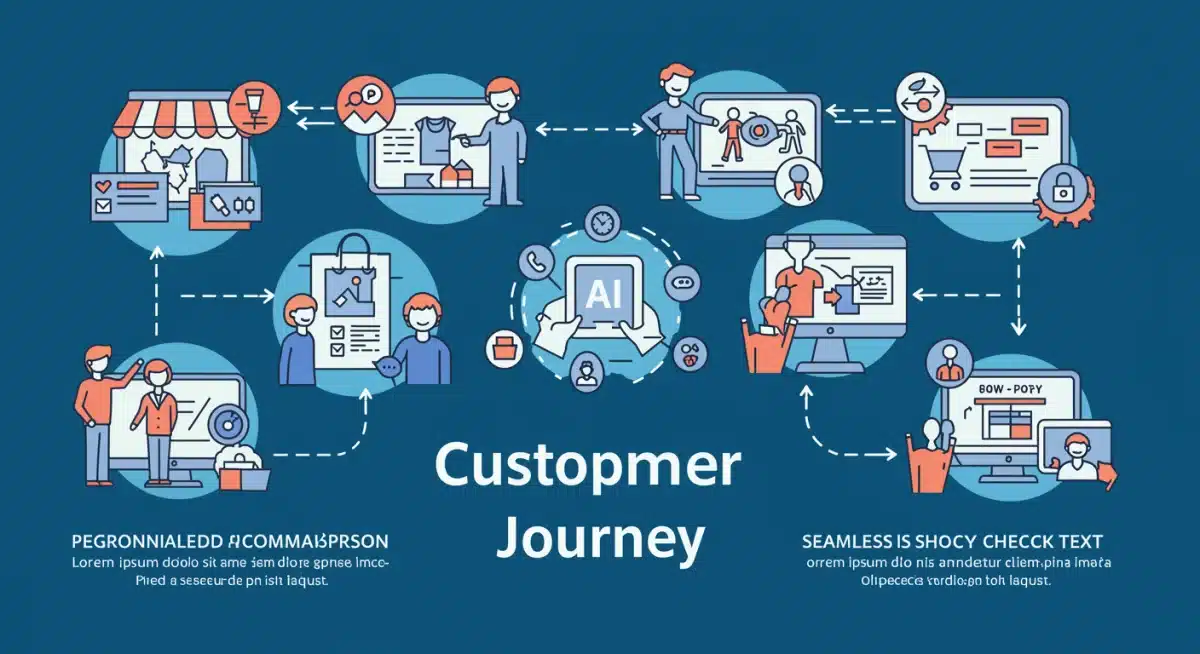

Interactive Deal Events
Brands will invest in high-quality live shopping productions, collaborating with popular influencers to create buzz and drive sales. These events will often feature limited-time offers and unique bundles available only to live viewers, creating a sense of urgency and exclusivity. Consumers can expect a more immersive way to shop for holiday gifts, complete with real-time demonstrations and peer reviews.
- Exclusive discounts announced during live streams.
- Interactive Q&A sessions with product experts.
- Flash sales triggered by viewer engagement.
- Behind-the-scenes content showcasing products.
The social aspect encourages impulse purchases and builds a community around brands. For shoppers, it means a fun, engaging way to find deals and discover new products, often with the added benefit of influencer endorsements. For retailers, it’s a powerful tool to connect directly with consumers and generate significant sales during critical holiday periods.
Flexible Payment Options and Financial Wellness
The availability of flexible payment options, such as ‘Buy Now, Pay Later’ (BNPL) services, will continue its strong growth trajectory and significantly influence holiday seasonal sales 2025. Consumers, particularly those managing tight budgets, will increasingly rely on these solutions to spread the cost of holiday purchases without incurring traditional credit card interest. Retailers who offer a variety of these options will gain a competitive edge.
Beyond BNPL, there will be a greater emphasis on financial wellness tools integrated into shopping platforms. This could include budgeting features, spending trackers, or even personalized savings advice. The goal is to empower consumers to make smart purchasing decisions and manage their holiday spending responsibly.
Empowering Consumer Spending
Retailers are recognizing that simply offering deals isn’t enough; they also need to facilitate affordable purchasing. Providing diverse payment solutions removes barriers to sale completion and allows consumers to participate in holiday sales without undue financial strain. This approach builds trust and encourages larger basket sizes, as shoppers feel more in control of their finances.
- Widespread adoption of BNPL services across all price points.
- Integration of budgeting tools within retail apps.
- Partnerships with financial education platforms.
- Flexible return policies to ease purchase anxiety.
For shoppers, the ability to choose how and when they pay will be a key factor in deciding where to make their holiday purchases. This trend reflects a broader cultural shift towards financial transparency and consumer empowerment, making holiday shopping more accessible and less stressful for a wider demographic.
Experiences Over Products and Gifting Trends
While tangible gifts will always be part of the holiday season, holiday seasonal sales 2025 will see a continued surge in demand for experiential gifts and services. Consumers are increasingly valuing memorable experiences over purely material possessions, leading to a shift in gifting trends. Deals on travel, workshops, subscription boxes for experiences, and digital services will become highly sought after.
This trend is driven by a desire for personalization and creating lasting memories. Instead of another gadget, recipients might prefer a cooking class, a weekend getaway, or a streaming service subscription. Retailers of all types, even traditional product-based ones, will need to adapt by offering curated experience packages or partnering with service providers.
Curated Experiential Deals
Expect to see retailers bundle products with experiences or offer gift cards for services alongside physical goods. For example, a kitchenware store might offer a discount on a cooking class with the purchase of a new appliance, or a book retailer could partner with local coffee shops for reading-themed gift packages. The focus is on the holistic value a gift provides.
- Discounts on travel packages and local excursions.
- Promotions for online courses and skill-building workshops.
- Subscription boxes offering monthly curated experiences.
- Gift cards for culinary events, spa days, or entertainment.
This shift means consumers will be looking for deals that enhance their lives or provide unique opportunities, rather than just acquiring more possessions. Brands that creatively integrate experiences into their holiday offerings will tap into this growing market, making their seasonal sales more relevant and appealing to modern gift-givers.
| Key Trend | Impact on Sales & Shoppers |
|---|---|
| Hyper-Personalization | Tailored deals, efficient shopping, reduced decision fatigue for consumers. |
| Sustainable Choices | Increased demand for ethical products, values-driven purchases, eco-friendly incentives. |
| Omnichannel Integration | Seamless online and offline shopping, consistent deal access across channels. |
| Social Commerce | Engaging live shopping, influencer-led flash sales, instant purchases. |
Frequently Asked Questions About Holiday Sales 2025
AI will revolutionize your experience by offering hyper-personalized deals and product recommendations based on your unique preferences and browsing history. Expect more relevant offers, dynamic pricing, and a more efficient search for desired items, making your holiday shopping less overwhelming and more tailored to your needs.
Absolutely. Sustainability and ethical consumption will be major drivers. Consumers will seek transparent brands and eco-friendly products, leading retailers to offer special deals on sustainable goods, refurbished items, and products from companies with strong social responsibility initiatives, aligning with growing consumer values.
Omnichannel shopping means a seamless experience across online and physical stores. You’ll find consistent deals whether you’re browsing on your phone or in a store. Services like click-and-collect and real-time inventory updates will be standard, ensuring you can access deals conveniently from any touchpoint.
Loyalty programs will offer more than just points. Expect exclusive early access to major sales, personalized discounts based on your membership tier, and unique perks like free expedited shipping or complimentary gift services. Strategic membership can unlock significant savings and a more premium shopping experience.
Yes, experiential gifts are increasingly popular. Consumers are prioritizing memorable experiences over material possessions. Look for deals on travel, workshops, subscription boxes for activities, and various digital services. Retailers will adapt by bundling products with experiences or offering unique service-based gift options.
Conclusion
The Holiday Seasonal Sales 2025: The Top 7 Trends Influencing Consumer Spending and Deal Availability paint a clear picture of a dynamic retail landscape. From the precision of AI-driven personalization to the emphasis on sustainable choices, and the seamless integration of online and offline channels, both shoppers and retailers face exciting new opportunities. Loyalty programs will deepen engagement, while social commerce and flexible payment options will make deals more accessible and enjoyable. Finally, the growing preference for experiences over mere products will redefine gifting. Understanding these trends will empower consumers to navigate the holiday season more effectively, securing the best deals and making choices that align with their values, while retailers can strategically adapt to meet evolving demands.