Sustainability in the U.S. Market: 60% Consumer Influence

Sixty percent of U.S. consumers significantly influence purchasing decisions by prioritizing sustainable products, thereby compelling businesses to adopt more environmentally and socially responsible practices to meet evolving market demands.
The landscape of consumer behavior in the United States is undergoing a profound transformation, driven largely by an increasing awareness of environmental and social issues. A significant sustainable consumer influence is reshaping the market, with approximately 60% of consumers now actively considering sustainability when making purchasing decisions. This shift is not merely a trend; it represents a fundamental change in values that businesses must acknowledge and adapt to, or risk being left behind in a rapidly evolving marketplace.
The Rise of the Conscious Consumer
For decades, price and quality were the undisputed kings of consumer purchasing drivers. While these factors remain important, a new contender has emerged, steadily gaining ground and influencing a substantial portion of the U.S. buying public: sustainability. This shift reflects a growing understanding among consumers about the broader impact of their choices, extending beyond personal utility to encompass environmental stewardship and social equity.
This rising tide of conscious consumerism is not uniform across all demographics, but its overall impact is undeniable. Younger generations, particularly Millennials and Generation Z, are leading this charge, having grown up with heightened awareness of climate change, resource depletion, and social injustices. Their purchasing power, combined with their digital fluency and willingness to advocate for their beliefs, makes them a formidable force in the market.
Defining Sustainable Purchasing
What exactly does it mean for a consumer to make a sustainable purchase? It’s a multifaceted concept that can include several considerations:
- Environmental Impact: Products made with recycled materials, reduced carbon footprints, or from renewable resources.
- Ethical Sourcing: Goods produced under fair labor practices, without exploitation, and with transparency in the supply chain.
- Waste Reduction: Products with minimal packaging, designed for durability, reparability, or recyclability.
- Social Responsibility: Brands that contribute positively to their communities, support diversity, or engage in philanthropic efforts.
These considerations are no longer niche concerns for a small segment of the population. They have entered the mainstream, prompting brands to re-evaluate their entire operational framework, from raw material procurement to end-of-life product management. The conscious consumer is not just looking for a good product; they are looking for a good company.
The implication for businesses is clear: ignoring these evolving consumer values is no longer an option. Companies that fail to integrate sustainability into their core strategies risk alienating a significant portion of their potential customer base and losing market share to more forward-thinking competitors. The conscious consumer is driving innovation and demanding accountability, setting a new standard for corporate responsibility.
Understanding the 60% Influence: Data and Demographics
The figure of 60% of U.S. consumers influencing purchasing decisions based on sustainability is a powerful statistic, reflecting extensive research and market analysis. This percentage isn’t static; it represents a growing segment that actively seeks out and rewards brands that align with their values. Understanding the nuances of this group is crucial for businesses aiming to capture their loyalty.
Research from various reputable sources, including NielsenIQ, IBM, and Cone Communications, consistently highlights this trend. While the exact percentages might vary slightly depending on the methodology and specific survey questions, the overarching conclusion remains the same: a majority of consumers are now factoring environmental and social considerations into their buying habits. This influence is not confined to specific product categories; it spans across food, fashion, electronics, automotive, and even services.
Key Demographics Driving the Shift
While sustainability is gaining traction across all age groups, certain demographics are particularly influential:
- Younger Generations (Millennials, Gen Z): These groups are often the most vocal and active in demanding sustainable options, driven by a strong sense of social justice and environmental urgency.
- Higher-Income Households: While not exclusive, consumers with higher disposable incomes often have more flexibility to choose premium-priced sustainable products, though accessibility is improving.
- Educated Consumers: Greater awareness and understanding of global issues often correlate with a higher propensity to make sustainable choices.
It’s important to note that this influence extends beyond direct purchasing. These consumers are also powerful advocates, using social media and word-of-mouth to promote brands they trust and criticize those that fall short. Their collective voice can significantly impact a brand’s reputation and bottom line. Companies must not only act sustainably but also communicate their efforts transparently and authentically to resonate with this discerning audience.
The 60% figure serves as a benchmark, indicating that sustainable practices are no longer a niche marketing tactic but a core business imperative. Businesses that understand and cater to these values will be better positioned for long-term success in a market increasingly shaped by conscious consumerism.
Business Imperatives: Adapting to Sustainable Demands
The growing influence of sustainability on consumer purchasing decisions presents both challenges and opportunities for businesses. Companies that embrace this shift can gain a competitive advantage, build stronger brand loyalty, and contribute positively to global well-being. Conversely, those that ignore it risk obsolescence.
Adapting to sustainable demands requires more than just superficial changes; it necessitates a fundamental re-evaluation of business models, supply chains, and corporate culture. This can involve significant investment in new technologies, processes, and employee training. However, the long-term benefits, including reduced operational costs, enhanced brand reputation, and increased market share, often outweigh the initial expenditures.
Strategies for Sustainable Business Integration
To effectively respond to the conscious consumer, businesses can implement several key strategies:
- Supply Chain Transparency: Consumers want to know where their products come from and how they are made. Providing clear, verifiable information about sourcing and production practices builds trust.
- Eco-Friendly Product Development: Innovating to create products that are durable, energy-efficient, made from sustainable materials, and designed for end-of-life recycling or composting.
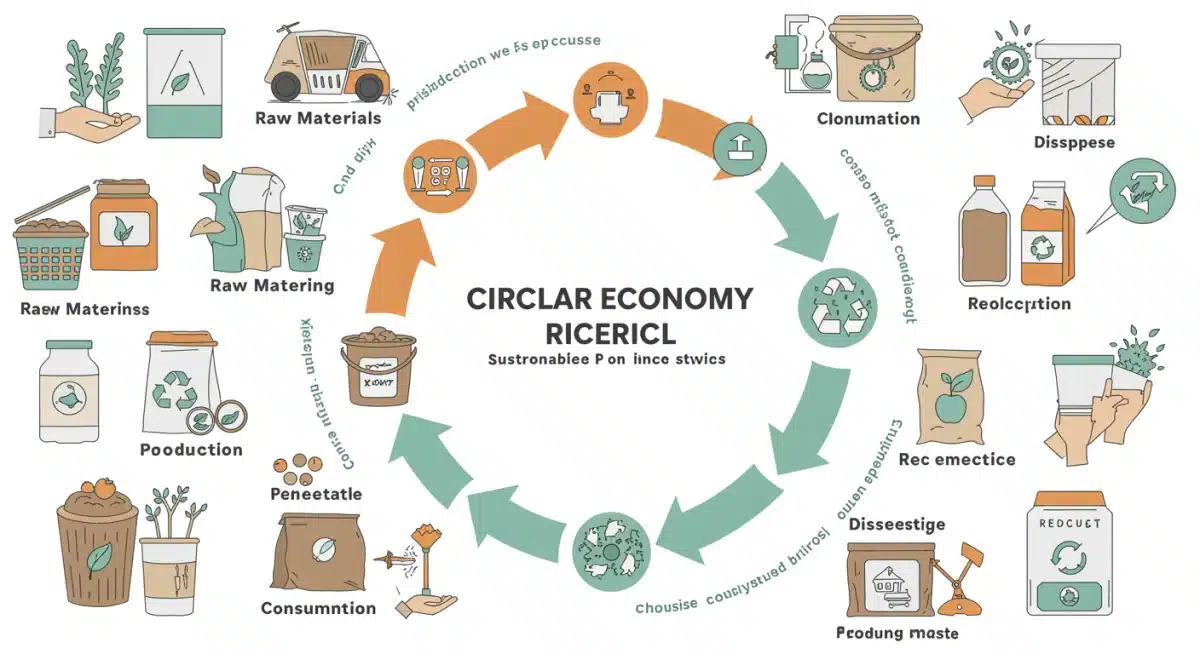
- Waste Reduction Initiatives: Minimizing waste throughout the production process, from manufacturing to packaging, and exploring circular economy models.
- Ethical Labor Practices: Ensuring fair wages, safe working conditions, and respect for human rights across the entire supply chain.
Beyond these internal changes, effective communication is paramount. Businesses must clearly articulate their sustainability efforts and achievements to consumers. Greenwashing – making unsubstantiated or misleading claims about environmental benefits – can severely damage a brand’s credibility and erode consumer trust. Authenticity and transparency are key to connecting with the conscious consumer.
The imperative to adapt is not just about meeting consumer expectations; it’s also about future-proofing the business. As regulations become stricter and resource scarcity becomes more pronounced, sustainable practices will become even more critical for operational resilience and continued growth. Businesses that proactively embrace sustainability are positioning themselves for success in an evolving global economy.
The Economic Impact: Beyond Altruism
While the drive for sustainability often stems from ethical considerations, its impact extends far beyond altruism, directly influencing economic outcomes for businesses and markets. The shift towards sustainable consumer choices is creating new market segments, driving innovation, and redefining competitive landscapes. This is not merely a cost center but a significant growth opportunity for companies that get it right.
Businesses that successfully integrate sustainability into their core offerings often see tangible economic benefits. These can include increased sales, higher customer retention rates, and the ability to command premium pricing for eco-friendly products. Furthermore, sustainable practices can lead to operational efficiencies, such as reduced energy consumption, lower waste disposal costs, and optimized resource utilization, all of which contribute to a healthier bottom line.
Investment and Market Growth
The financial sector has also recognized the economic power of sustainability. Sustainable investing, often referred to as ESG (Environmental, Social, and Governance) investing, has seen a dramatic increase in recent years. Investors are increasingly evaluating companies not just on their financial performance but also on their sustainability credentials. This creates a powerful incentive for businesses to adopt responsible practices, as it can influence their access to capital and valuation.
Moreover, the market for sustainable products and services is expanding rapidly. From organic food to electric vehicles, and from renewable energy solutions to ethical fashion, consumers are actively seeking alternatives that align with their values. This demand fosters innovation, leading to the development of new technologies and business models that are inherently more sustainable. Companies that are at the forefront of this innovation are poised to capture significant market share.
The economic impact of sustainable consumer influence demonstrates that doing good can also be good for business. It challenges the traditional notion that profitability and planet protection are mutually exclusive, proving that a well-executed sustainability strategy can drive both financial success and positive societal change.
Challenges and Opportunities for Businesses
Navigating the terrain of sustainable consumer demands presents a complex array of challenges and opportunities for businesses. While the benefits of embracing sustainability are clear, the path to achieving it can be fraught with hurdles, from initial investment costs to the complexities of supply chain transformation. Yet, for those willing to innovate, the opportunities for growth and positive impact are substantial.
One of the primary challenges is the perception of higher costs associated with sustainable products. Consumers, while willing to pay a premium, still have price sensitivities. Businesses must find ways to make sustainable options more accessible and affordable, often by leveraging economies of scale, technological advancements, or innovative business models that reduce waste and increase efficiency throughout the product lifecycle.
Overcoming Obstacles and Seizing Advantages
Key challenges often include:
- Supply Chain Complexity: Tracing and verifying the sustainability of every component in a global supply chain can be daunting.
- Greenwashing Risk: The pressure to appear sustainable can lead to misleading claims, which, if exposed, can severely damage brand trust.
- Measuring Impact: Quantifying the environmental and social benefits of sustainable practices requires robust data collection and reporting mechanisms.
Despite these challenges, the opportunities are immense. Businesses that genuinely commit to sustainability can:
- Enhance Brand Reputation: Be seen as a leader and innovator, attracting values-driven consumers and top talent.
- Drive Innovation: Develop new products, services, and processes that are more efficient and environmentally friendly.
- Improve Risk Management: Mitigate risks associated with resource scarcity, regulatory changes, and reputational damage.
- Attract Investment: Appeal to a growing pool of ESG-focused investors.
Ultimately, the transition to a more sustainable business model is not just about compliance or reacting to consumer pressure; it’s about foresight and strategic positioning. Companies that proactively address these challenges and capitalize on the opportunities will be the ones that thrive in the evolving market, demonstrating that sustainability is a powerful engine for long-term success and resilience.
The Future of Sustainable Consumerism in the U.S.
The trajectory of sustainable consumerism in the U.S. market points towards continued growth and deepening influence. What began as a niche concern has evolved into a mainstream expectation, and this trend is unlikely to reverse. As environmental challenges become more pressing and social equity issues remain at the forefront of public discourse, consumers will only become more discerning in their purchasing choices, further solidifying the role of sustainability as a market driver.
Technological advancements will undoubtedly play a significant role in shaping this future. Innovations in material science, renewable energy, and supply chain transparency (such as blockchain) will make it easier for companies to adopt sustainable practices and for consumers to verify product claims. This increased transparency will empower consumers to make even more informed decisions, holding brands to higher standards of accountability.
Evolving Expectations and Policy Impacts
Consumer expectations will continue to evolve, moving beyond basic environmental considerations to encompass broader social justice issues. Fair labor, diversity and inclusion, and community engagement will become increasingly important factors in how consumers perceive and support brands. This holistic view of corporate responsibility will necessitate a more integrated approach to sustainability, one that addresses the full spectrum of environmental, social, and governance (ESG) factors.
Furthermore, policy and regulatory frameworks are likely to become more stringent, pushing businesses towards greater sustainability regardless of direct consumer pressure. Government incentives for green technologies, carbon pricing, and stricter waste management regulations will create a more level playing field and accelerate the adoption of sustainable practices across industries. This convergence of consumer demand, technological innovation, and regulatory impetus will create a powerful force for change.
The future of sustainable consumerism in the U.S. is one where businesses are not just passively responding to demand, but actively innovating and leading the charge towards a more responsible and equitable economy. The 60% influence is just the beginning, signaling a deeper and more pervasive transformation of the market that will continue to unfold in the years to come, benefiting both planet and people.
| Key Aspect | Brief Description |
|---|---|
| Consumer Influence | 60% of U.S. consumers now consider sustainability in purchasing decisions, driving market shifts. |
| Business Adaptation | Companies must integrate sustainable practices to meet demand and maintain competitiveness. |
| Economic Impact | Sustainability drives new market segments, innovation, and attracts ESG investment. |
| Future Outlook | Continued growth in sustainable consumerism, driven by technology and policy. |
Frequently Asked Questions About Sustainable Consumerism
▼
Sustainable consumer influence refers to the collective power of consumers who prioritize environmental and social responsibility when making purchasing decisions, thereby pushing businesses to adopt more ethical and eco-friendly practices.
▼
Younger generations like Millennials and Gen Z are typically the most vocal and active in demanding sustainable options due to their heightened awareness of global issues, though concern is growing across all age groups.
▼
Businesses can respond by ensuring supply chain transparency, developing eco-friendly products, implementing waste reduction initiatives, and practicing ethical labor, all while communicating efforts transparently.
▼
While initial investments may be higher, sustainable practices can lead to long-term cost savings through efficiency, waste reduction, and increased brand loyalty, potentially offsetting initial expenses and even leading to premium pricing.
▼
Greenwashing is when a company makes misleading or unsubstantiated claims about its environmental practices. It is harmful because it erodes consumer trust and can undermine genuine sustainability efforts within the market.
Conclusion
The undeniable shift in the U.S. market, largely propelled by the 60% of consumers who prioritize sustainability, signifies a new era of commerce. This powerful collective influence is not just a passing trend but a foundational change, compelling businesses to rethink their strategies, embrace transparency, and integrate ethical practices at every level. Companies that proactively adapt to these evolving demands will not only secure their market position but also contribute to a more responsible and resilient global economy, proving that conscious consumerism is a driving force for positive change.