Supply Chain Changes 2025: Maximize Seasonal Sales Deals
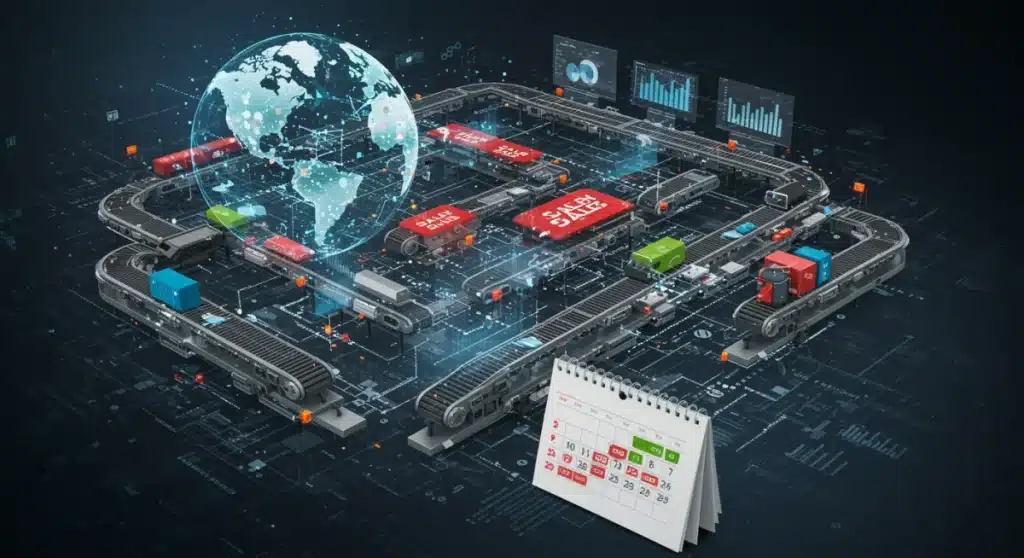
Understanding the complex ripple effects of evolving global supply chains is crucial for consumers and businesses alike to capitalize on better deals and navigate the 2025 seasonal sales landscape effectively.
Are you ready to unlock superior savings and strategic advantages in the upcoming shopping seasons? The Impact of Supply Chain Changes on 2025 Seasonal Sales: What You Need to Know for 15% Better Deals is poised to reshape how we approach consumer spending and business planning. This comprehensive guide will equip you with the foresight needed to navigate these shifts, ensuring you’re always one step ahead in securing optimal value.
Understanding the Evolving Supply Chain Landscape in 2025
The global supply chain is a dynamic entity, constantly adapting to geopolitical shifts, technological advancements, and evolving consumer demands. As we inch closer to 2025, several critical factors are converging to redefine its structure and functionality. These changes are not merely theoretical; they have tangible implications for everything from product availability to pricing during peak shopping periods.
Businesses are currently investing heavily in resilience, moving away from a sole focus on cost efficiency. This strategic pivot involves diversifying sourcing, nearshoring production, and implementing advanced demand forecasting. For consumers, this could mean more stable inventory levels but potentially different pricing structures as companies absorb increased operational costs.
Key Drivers of Supply Chain Transformation
Several forces are at play, fundamentally altering how goods move from production to your doorstep. Understanding these drivers is the first step to predicting their impact on future sales.
- Geopolitical Realignment: Trade tensions and regional conflicts continue to influence manufacturing locations and shipping routes, leading to re-evaluations of global dependencies.
- Technological Integration: AI, blockchain, and IoT are becoming integral to supply chain management, offering unprecedented visibility and predictive capabilities.
- Sustainability Imperatives: Growing pressure for eco-friendly practices is pushing companies to re-evaluate logistics, packaging, and material sourcing, often with cost implications.
- Labor Market Dynamics: Shortages in logistics and manufacturing sectors drive automation and necessitate higher wages, impacting overall operational expenses.
Ultimately, the 2025 supply chain will likely be characterized by a blend of localized production and highly optimized global networks. This hybrid model aims to mitigate risks while still leveraging global efficiencies. Recognizing these foundational changes is crucial for anyone looking to understand the mechanics behind seasonal sales.
Anticipating Product Availability and Pricing Fluctuations
One of the most immediate concerns stemming from supply chain changes is their direct effect on product availability and pricing, especially during high-demand seasonal sales. Historically, disruptions have led to stockouts and price surges. However, 2025 is shaping up to offer a more nuanced picture, with some sectors experiencing greater stability while others remain volatile.
Retailers are getting smarter about inventory management, utilizing predictive analytics to anticipate demand more accurately. This means fewer instances of overstocking, which traditionally led to deep discounts, but also potentially fewer severe shortages. Consumers should expect a more consistent supply of everyday goods, but premium or niche items might still be subject to fluctuating availability.
Sector-Specific Outlooks for 2025 Seasonal Sales
Not all product categories will be affected equally by the evolving supply chain. Some industries are inherently more vulnerable to disruptions due to their reliance on specific components or complex global networks.
- Electronics and Tech Gadgets: Continued reliance on specialized components from a few global hubs means these items could still face availability challenges, though less severe than previous years. Prices may remain relatively stable or see incremental increases.
- Apparel and Footwear: Diversification of manufacturing bases and faster fashion cycles could lead to better inventory management, but price points might reflect increased labor and shipping costs.
- Home Goods and Furniture: Bulkier items with longer shipping times are more susceptible to logistics bottlenecks, potentially causing delays and affecting promotional pricing strategies.
- Perishable Goods and Groceries: Localized sourcing initiatives aim to stabilize these markets, but climate-related events can always introduce volatility, impacting seasonal produce prices.
Understanding these sector-specific nuances allows both businesses and consumers to strategize more effectively. For consumers, this means prioritizing purchases of potentially scarce items earlier in the season. For businesses, it necessitates agile sourcing and dynamic pricing models to remain competitive.
Strategic Planning for Businesses: Securing Your 15% Edge
For businesses, the evolving supply chain isn’t just a challenge; it’s an opportunity to gain a competitive advantage. Proactive strategic planning can help secure better deals from suppliers, optimize inventory, and ultimately offer compelling value to customers. Aiming for a 15% improvement in deal-making requires a multi-faceted approach, focusing on resilience, efficiency, and data-driven decisions.
The days of relying on single-source suppliers are largely over. Businesses are actively building redundant supply lines and fostering stronger relationships with multiple vendors. This redundancy not only mitigates risk but also creates leverage for negotiating better terms and pricing, especially for volume purchases during seasonal peaks.
Implementing Robust Supply Chain Strategies
To achieve significant savings and operational improvements, companies must adopt a holistic view of their supply chain. This involves technological upgrades, process re-engineering, and a culture of continuous improvement.
- Diversified Sourcing: Establish relationships with suppliers in different geographical regions to reduce dependence on any single point of failure. This also opens doors for competitive bidding.
- Advanced Analytics and AI: Utilize data to predict demand, identify potential bottlenecks, and optimize inventory levels. AI-powered tools can also suggest optimal times for bulk purchases.
- Collaborative Partnerships: Work closely with logistics providers and key suppliers to streamline processes, share data, and negotiate favorable long-term contracts.
- Inventory Optimization: Implement just-in-time (JIT) principles where feasible, while maintaining strategic buffer stock for critical items to avoid costly expedited shipping or lost sales.
By focusing on these strategic pillars, businesses can not only mitigate the risks associated with supply chain volatility but also carve out a significant financial advantage, translating into better deals for their end consumers.
Consumer Strategies: How to Find the Best Seasonal Deals
Consumers also have a crucial role to play in navigating the 2025 seasonal sales landscape to secure the best possible deals. With supply chain dynamics shifting, traditional shopping habits might need an update. Being informed and strategic can lead to significant savings, potentially exceeding the 15% target.
Gone are the days of passively waiting for Black Friday to unveil all the best prices. Savvy shoppers will employ a more proactive and data-driven approach, leveraging early bird specials, price tracking tools, and a deep understanding of product availability trends. This involves a blend of online research and timely purchase decisions.

Tactics for Maximizing Your Seasonal Savings
To truly capitalize on 2025 seasonal sales, consumers need to adopt several key strategies. These tactics are designed to counteract potential supply issues and price volatility.
- Start Early and Monitor Prices: Begin your holiday or seasonal shopping well in advance. Use price tracking apps and browser extensions that alert you to price drops and historical low prices for desired items.
- Be Flexible with Brands and Models: If a specific brand or model is experiencing supply issues, be open to exploring comparable alternatives. Often, lesser-known brands offer similar quality at better price points.
- Utilize Loyalty Programs and Cash Back: Maximize savings by combining sales prices with loyalty points, credit card rewards, and cash-back programs. These can add up to substantial additional discounts.
- Understand Return Policies: With potentially tighter inventory, some retailers might adjust return policies. Always check these details before making a purchase, especially for big-ticket items.
By becoming a more informed and agile shopper, consumers can effectively navigate the complexities of the 2025 supply chain, transforming potential challenges into opportunities for significant savings and smarter purchases during seasonal sales events.
The Role of Technology in Optimizing Seasonal Sales
Technology is not merely an enabler but a transformative force in how supply chains operate and, consequently, how seasonal sales are executed and perceived. From AI-driven forecasting to blockchain for transparency, digital tools are creating efficiencies and new possibilities for both businesses and consumers in 2025.
For businesses, advanced analytics and machine learning algorithms are revolutionizing demand planning. They can process vast amounts of data, including historical sales, weather patterns, social media trends, and economic indicators, to predict consumer behavior with unprecedented accuracy. This reduces the risk of overstocking or understocking, leading to more stable pricing and better inventory availability during sales events.
Key Technologies Shaping 2025 Sales
Several technological innovations are set to play a pivotal role in optimizing supply chains and enhancing the seasonal sales experience.
- Artificial Intelligence (AI) and Machine Learning (ML): Powers predictive analytics for demand forecasting, dynamic pricing, and warehouse automation, leading to optimized stock levels.
- Internet of Things (IoT): Sensors embedded in products and logistics infrastructure provide real-time tracking of goods, improving visibility and enabling proactive problem-solving for delays.
- Blockchain: Offers enhanced transparency and traceability throughout the supply chain, building trust and potentially streamlining customs processes, reducing delays and costs.
- Robotics and Automation: Automates warehousing, picking, and packing, speeding up order fulfillment and reducing labor costs, especially crucial during high-volume sales periods.
These technologies collectively contribute to a more resilient, efficient, and transparent supply chain. This means businesses can better manage costs and inventory, allowing them to offer competitive prices and ensure product availability during key 2025 seasonal sales events, benefiting both their bottom line and consumer satisfaction.
Sustainability and Ethical Sourcing: A New Factor in Deals
Beyond traditional cost and efficiency, sustainability and ethical sourcing are emerging as significant factors influencing supply chain decisions and, by extension, seasonal sales. Consumers in 2025 are increasingly conscious of a brand’s environmental footprint and labor practices, and this awareness is beginning to impact purchasing choices and, indirectly, promotional strategies.
Companies are responding by investing in more sustainable logistics, reducing waste, and ensuring fair labor practices throughout their supply chains. While these initiatives often come with initial higher costs, they can also lead to long-term efficiencies and enhanced brand reputation. For consumers, this means that some ‘deals’ might extend beyond just price, encompassing the value of ethically produced goods.
The Interplay of Ethics, Sustainability, and Pricing
The push for a greener and more ethical supply chain introduces new dynamics into how prices are set and how consumers perceive value during sales events.
- Premium for Ethical Products: Some consumers may be willing to pay a slight premium for products with verified ethical sourcing or sustainable production methods, blurring the lines of what constitutes a ‘deal.’
- Green Logistics: Companies using eco-friendly shipping or packaging might pass on some of these costs, but also benefit from reduced waste and improved brand image, potentially attracting a loyal customer base.
- Transparency as a Selling Point: Brands that are transparent about their supply chain practices can build greater trust, which can influence purchasing decisions even during sales, making their promotions more appealing.
- Regulatory Compliance: Stricter environmental and labor regulations can increase production costs, which may be reflected in product pricing, requiring businesses to find efficiencies elsewhere to offer competitive deals.
As we move into 2025, understanding the ethical and sustainable dimensions of supply chain changes will be vital. For businesses, integrating these principles can be a differentiator. For consumers, it means evaluating deals not solely on price, but also on the broader impact and values represented by the product and brand. This holistic view will be key to navigating the seasonal sales landscape effectively.
| Key Factor | Impact on 2025 Seasonal Sales |
|---|---|
| Diversified Sourcing | Increased product availability and reduced risk of stockouts during peak seasons, potentially stabilizing prices. |
| Technological Integration | Improved demand forecasting and inventory management, leading to more predictable sales and targeted promotions. |
| Sustainability Push | Potential for higher ethical product costs, but also new value propositions and consumer engagement with responsible brands. |
| Consumer Preparedness | Early shopping, price tracking, and flexibility will be key for consumers to secure the best seasonal deals. |
Frequently Asked Questions About 2025 Seasonal Sales
Electronics may still experience some volatility due to reliance on specialized components, but improved diversification and forecasting should lead to more stable availability. Consumers should track prices early and be open to alternative brands for optimal deals, as deep discounts might be less frequent on cutting-edge tech.
Businesses can achieve this by diversifying their supplier base, leveraging advanced analytics for demand forecasting, and fostering stronger, more collaborative partnerships. Negotiating long-term contracts and optimizing inventory management through technology are also crucial strategies to reduce costs and gain leverage.
Yes, starting seasonal shopping earlier in 2025 is highly recommended. This strategy allows consumers to monitor price fluctuations, take advantage of early bird promotions, and secure desired items before potential supply issues arise. Price tracking tools can be particularly useful for this proactive approach.
Sustainability initiatives may lead to slightly higher initial production costs for some goods, which could be reflected in pricing. However, they also create new value propositions for consumers seeking ethical products. Brands might offer deals that highlight sustainable benefits, attracting a conscious consumer base beyond just price.
AI is pivotal for retailers in 2025, primarily through enhanced demand forecasting and dynamic pricing. It helps predict consumer behavior, optimize inventory levels to avoid stockouts or overstocking, and personalize promotions. This efficiency allows retailers to offer more competitive and well-timed deals during seasonal sales events.
Conclusion
The landscape of 2025 seasonal sales is undeniably being reshaped by significant supply chain transformations. Both businesses and consumers stand to gain by understanding these shifts and adapting their strategies accordingly. For companies, a proactive approach involving diversified sourcing, technological integration, and a commitment to sustainability can translate into stronger supplier relationships and a significant competitive edge, potentially yielding that 15% improvement in deals. For consumers, informed decision-making, early planning, and leveraging technology will be paramount to securing the best possible value. By embracing these evolving dynamics, everyone can navigate the complexities of the upcoming sales seasons more effectively and emerge with better outcomes.